Source wine bar kitchen faucet for Home, Hotel, and Restaurant
Compare 30 wine bar kitchen faucet options featuring ceramic cartridges, stainless steel bodies, and chrome finishes. Buyers can evaluate single-handle designs, pull-out spray features, and OEM customization services from Zhejiang suppliers.
Key considerations
Products List
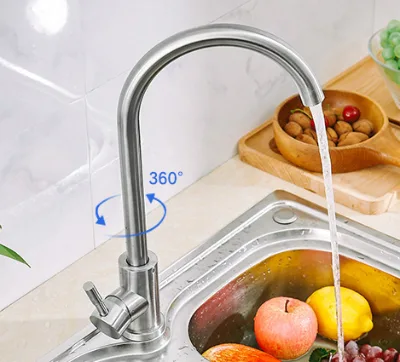


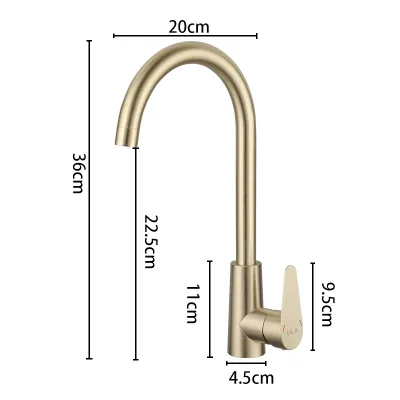
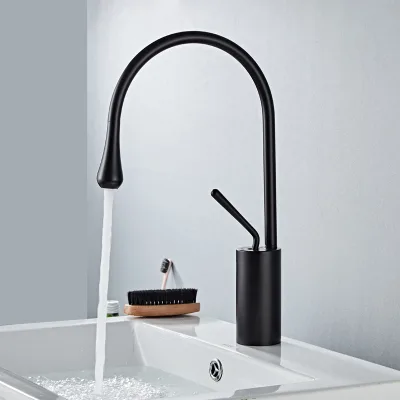


Comprehensive Sourcing Guide
Wine Bar Kitchen Faucet Sourcing Guide
Sourcing a specialized faucet for a wine bar or kitchen environment requires a nuanced understanding of both aesthetic integration and functional durability. Unlike standard residential fixtures, commercial-grade or high-end residential units must withstand frequent use while complementing the sophisticated ambiance of a wine-serving area. The procurement process begins with identifying suppliers who offer robust customization capabilities, as the visual harmony between the faucet and the surrounding cabinetry or bar counter is paramount. Buyers should prioritize manufacturers that explicitly welcome OEM and ODM services, ensuring that the final product can be tailored to specific design constraints rather than forcing a compromise on available stock models.
The decision-making process must also account for the specific operational demands of a wine bar, where space is often limited and the need for precise water control is critical. A single-handle, single-hole installation type is frequently preferred for its clean lines and ease of use, allowing bartenders or staff to operate the fixture with one hand while managing other tasks. Furthermore, the availability of pull-out spray features adds significant utility, enabling users to rinse glasses or clean hard-to-reach areas of the sink without splashing. These functional attributes must be balanced against the material integrity of the faucet, ensuring that the chosen unit can maintain its finish and performance over time in a high-traffic environment.
Product Scope and Observed Listing Signals
The current market landscape for kitchen and bar faucets reveals a wide spectrum of options, with observed price ranges extending from highly accessible entry-level units to premium, heavy-duty commercial fixtures. This variance in pricing often correlates with the complexity of the internal mechanisms, the quality of the surface treatment, and the brand reputation of the manufacturer. Buyers should note that while some listings may appear inexpensive, the inclusion of advanced features such as ceramic cartridge systems and specialized surface finishes like polished chrome or brushed nickel can significantly impact the final cost. It is essential to evaluate the total value proposition, including warranty terms and after-sales support, rather than focusing solely on the initial unit price.
Observed minimum order quantities (MOQs) vary considerably, ranging from small batches suitable for boutique hotels or single installations to larger volumes required for full-scale commercial projects. This flexibility allows buyers to align their procurement strategy with their inventory needs and project scale. For instance, a single installation might benefit from an MOQ of just one unit, whereas a chain of wine bars would require a supplier capable of handling larger orders with consistent quality. Additionally, the presence of customization options, such as color variations including black, gold, rose gold, and nickel, indicates that many suppliers are equipped to meet specific design briefs. Buyers should verify whether these customizations incur additional costs or affect lead times, as these factors can influence the overall project budget and timeline.
Technical Specifications to Verify
When evaluating technical specifications, the material composition of the faucet body is a primary consideration for durability and aesthetic longevity. Stainless steel and brass are common materials, with stainless steel offering robust resistance to corrosion and wear. The surface treatment plays a crucial role in both appearance and maintenance; options such as polished chrome, brushed finishes, and specialized coatings like ASS-48 Hours/NSS-72 Hours salt spray tests indicate a level of resistance to environmental degradation. Buyers should request detailed information on the surface finishing process to ensure that the chosen finish will withstand the humidity and cleaning chemicals typical of a wine bar or kitchen environment.
The internal mechanics of the faucet, particularly the cartridge system, are critical for long-term performance and leak prevention. Ceramic cartridges, such as those from SEDAL, are renowned for their smooth operation and durability, often rated for hundreds of thousands of opening cycles. This high cycle count ensures that the faucet will maintain its functionality even under frequent use. Additionally, the weight of the unit can serve as an indicator of material quality; heavier units often suggest a more substantial construction, which can contribute to stability and a premium feel. Buyers should verify the specific model numbers and component details to ensure compatibility with existing plumbing infrastructure and to confirm that the internal parts meet industry standards for flow rate and pressure resistance.
Compliance and Safety Documentation
Compliance with local plumbing and safety standards is non-negotiable for any faucet installation, particularly in commercial settings where health and safety regulations are strictly enforced. Buyers must ensure that the supplier can provide documentation verifying that the product meets relevant national and international standards for water efficiency and material safety. This includes verifying that the materials used in the faucet, such as the brass body or stainless steel components, are free from harmful substances like lead, which is critical for fixtures that come into contact with drinking water. The absence of specific certification details in initial listings should prompt buyers to request explicit confirmation of compliance with standards such as NSF/ANSI 61 or local equivalents.
Furthermore, the warranty terms provided by the supplier offer insight into the manufacturer’s confidence in their product’s longevity. A standard warranty period of three years is a common benchmark, but buyers should carefully review the scope of this coverage, including whether it encompasses both parts and labor. After-sales service options, such as online technical support, onsite installation assistance, and free spare parts, are valuable indicators of a supplier’s commitment to customer satisfaction. These services can significantly reduce downtime and maintenance costs in a commercial environment, making them a critical factor in the procurement decision. Buyers should also inquire about the availability of return and replacement policies to mitigate risks associated with potential defects or shipping damage.
Cost Drivers and Commercial Terms
Several factors influence the final cost of a wine bar kitchen faucet, with the most significant being the choice of materials, surface treatments, and customization requirements. Premium finishes such as gold, rose gold, or specialized brushed textures often command higher prices due to the complexity of the application process and the materials involved. Similarly, the inclusion of advanced features like pull-out spray mechanisms and high-cycle ceramic cartridges adds to the manufacturing cost. Buyers should seek a detailed breakdown of these costs to understand where their investment is going and to identify potential areas for cost optimization without compromising quality.
Commercial terms, including payment conditions, shipping arrangements, and lead times, also play a crucial role in the total cost of ownership. Suppliers may offer different pricing tiers based on order volume, with larger orders benefiting from economies of scale. However, buyers must also consider the logistical implications of sourcing from international suppliers, such as import duties, shipping costs, and potential delays. Clear communication regarding these terms is essential to avoid unexpected expenses. Additionally, the availability of project solution capabilities, such as 3D model design and total solution packages, can add value by streamlining the procurement process and ensuring that the faucet integrates seamlessly with the overall design scheme.
Supplier Qualification and Quality Control
Qualifying a supplier involves a thorough assessment of their manufacturing capabilities, quality control processes, and track record. Buyers should prioritize suppliers who have a proven history of producing high-quality faucets and who are transparent about their production processes. This includes verifying the supplier’s ability to handle OEM and ODM projects, as this indicates a level of flexibility and expertise in meeting specific client requirements. Additionally, buyers should request samples to evaluate the physical quality of the product, including the finish, the smoothness of the handle operation, and the overall build quality.
Quality control measures should be clearly defined and enforced throughout the production process. This includes regular inspections of raw materials, in-process checks during manufacturing, and final inspections before shipment. Suppliers who offer onsite inspection services provide an additional layer of assurance, allowing buyers to verify that the production process adheres to agreed-upon standards. Buyers should also inquire about the supplier’s approach to handling defects and their procedures for addressing customer complaints. A robust quality control system is essential for minimizing the risk of receiving substandard products and ensuring that the final installation meets the desired aesthetic and functional standards.
Long-Term Procurement Checks
Long-term procurement success depends on establishing a sustainable relationship with suppliers who can consistently deliver high-quality products and adapt to changing market needs. Buyers should regularly review their supplier’s performance, including metrics such as on-time delivery, product quality, and responsiveness to issues. This ongoing evaluation helps to identify potential problems early and allows for corrective actions to be taken before they impact the business. Additionally, buyers should stay informed about industry trends and technological advancements, such as new materials or finishes, to ensure that their procurement strategy remains competitive and aligned with customer expectations.
Sustainability and environmental responsibility are increasingly important factors in procurement decisions. Buyers should inquire about the supplier’s environmental policies, including their approach to waste reduction, energy efficiency, and the use of sustainable materials. Suppliers who demonstrate a commitment to sustainability can help buyers meet their own corporate social responsibility goals and appeal to environmentally conscious customers. Furthermore, buyers should consider the lifecycle of the product, including the availability of replacement parts and the ease of maintenance, to ensure that the faucet remains a cost-effective and reliable asset over its entire lifespan. By focusing on these long-term factors, buyers can build a resilient supply chain that supports their business objectives and enhances their brand reputation.
FAQs
What is the cartridge lifetime for this faucet?
The ceramic cartridge is rated for 500,000 times opening. This ensures long-term durability for daily kitchen use without frequent replacement needs.
Can I get custom colors for this kitchen faucet?
Custom colors are available including chrome, black, nickel, gold, and rose gold. Buyers can request specific finishes to match their kitchen design style.
What is the minimum order quantity for this product?
The minimum order quantity is 100 pieces. This standard MOQ applies to most orders unless specific customization agreements are made with the supplier.
Does the faucet support OEM and ODM services?
Yes, OEM and ODM services are highly welcomed for this product. Buyers can request custom branding, packaging, or design modifications to suit their market.
What material is used for the faucet body?
The body material is stainless steel or brass depending on the specific model. This ensures structural integrity and resistance to corrosion in kitchen environments.
How long is the warranty period for this faucet?
The warranty period is 3 years for this product. This coverage includes protection against manufacturing defects and ensures reliability for the buyer.
What is the salt spray test duration for this faucet?
The salt spray test duration is 48 hours for ASS and 72 hours for NSS. This confirms the surface treatment quality and corrosion resistance of the finish.